Have any question?
Call (402) 514-3210

Call (402) 514-3210

![How to Get Your Passwords in Order, and Keep It That Way [Part 1 of 5]](https://cambiumdata.com/images/easyblog_shared/January_2025/1-06-25/b2ap3_large_StrongPassword_530099076_400x400.jpg)
We’re doing something a little different this time around. Normally, we try to keep the focus on business technology, but this article is geared towards the typical low-tech home user.
These days, nearly all human beings are wrapped up in a little technology, and there isn’t a huge divide between protecting yourself as an employee at a company versus protecting yourself as an individual—at least as far as cybersecurity habits go. Even if you feel like you are pretty low-tech, you still have to worry about protecting your identity, financial information, and personally identifiable information online.
We encourage you to share this article around with everyone you can, from students to those enjoying their retirement. We all have family or friends who have a loose ream of paper they scrawl their passwords onto, or might even have worse habits that they think are perfectly healthy that are putting them at risk. This article might help them reduce the risk of expensive, frustrating problems.
If you were sent this article, hello! There is someone who cares about your safety online and wants to try to make your digital life a little easier. We hope you find this guide useful, and we’d love to get feedback from you if you have any!
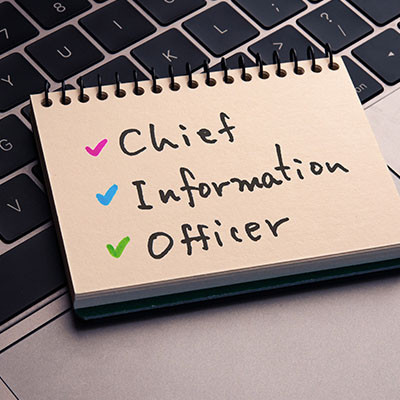
Who makes the decisions related to technology for your business? If you’re the one calling the shots, can you honestly say you have all the knowledge necessary to make informed decisions regarding your technology infrastructure’s future? If the answer is “no,” we’ve got just the service for you: a virtual CIO.

Imagine one of your employees receiving a phishing message in their email inbox. Would they fall for it or report it to the appropriate individuals within your business? With phishing training, you can take the guesswork out of this scenario and know—for sure—that your team knows how to respond to a potential phishing scheme.

Now that the holidays have passed and are winding down, you may need to phase out some of your old technology to make room for the new. Maybe you’re looking to the new year as an opportunity to upgrade some of the tech your business uses. In either case, it is essential to dispose of your old tools responsibly and sustainably.

Every year around this time, some particular stories are often told as part of ongoing family tradition. We like to take some time and share some holiday stories of our own, slipping in our own lessons that mainly apply to the businesses we work with and amongst.
What follows is one of these tales.

One of the most challenging parts of running a modern business is securing it from today’s growing list of threats. If you don’t take cybersecurity seriously, there is a real risk that your business will be the next local or national headline about the dangers of cybersecurity issues. One of the easiest ways to prevent yourself from becoming another statistic is to hire a security consultant.
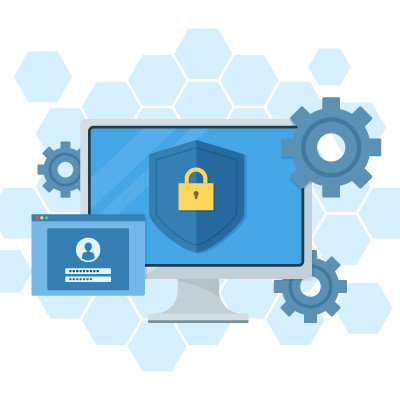
We frequently recommend using a password manager to help keep track of your credentials, given that you only use a standalone password manager—one that isn’t tied to a browser. Why the distinction?
It’s simple: it’s all in the interest of security, which means it is a rule that must be followed regardless of what browser you use.

Technology plays a huge role in how businesses operate today. To get the most out of it, investing in and maintaining reliable IT systems is essential. However, not all businesses have the time, staff, or budget to handle IT needs on their own.

With Artificial Intelligence (AI) a huge deal in business computing, it stands to reason that every business should look into AI tools that can help them support their products and services in the best way possible. One place that AI is being deployed is in IT support and today we will go through whether it is worth it or not.

It’s fun to be critical of social media, but there’s no denying the massive influence it has on individuals, societies, businesses, and even the political landscape. Since social media plays such a big part in so many areas of your digital life, it’s important to know how it all factors into your personal rights and privacy. Today, we want to examine the idea of who really owns what you post on social media and who is in control of your accounts… because it’s definitely not you.

When you check how much your company spends on communication tools, you might not be happy with the numbers. If you feel like you're paying too much for too little, you're not alone. Many businesses are switching to modern communication tools that use the Internet. Let’s explore some of these options.

If your business were breached by a cybercriminal, would you be able to figure out what caused the breach in the first place? If you don’t know the answer to this question, we have news for you—you’re far from the only one. A recent survey has shown that most security leaders (67% of those surveyed) don’t know what caused a cybersecurity incident, and it’s a problem that must be addressed.
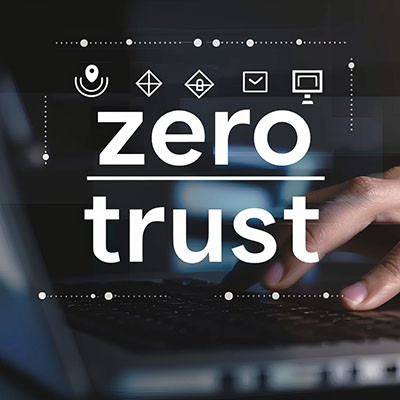
Zero-trust is a data protection method that's becoming very popular in the tech world. It’s one of the best ways to keep your business safe from hackers. Let’s discuss how zero-trust started and why it’s important today.
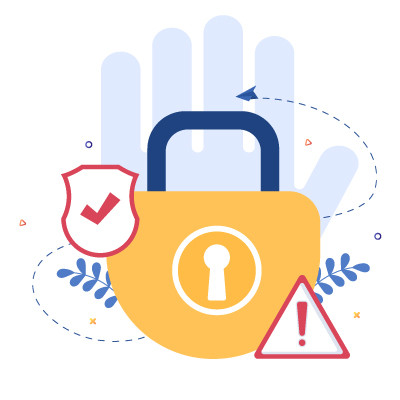
When it comes to data access, there’s no good reason for everyone in your business to have access to all the files. There’s just too many risks involved, and you’re not about to make risk management the central part of your job duties. Therefore, it makes sense to limit who has access to what data based on their user role.
While there are plenty of cybersecurity protections for your business’ technology, it is just as critical that you and your team are prepared to stay as secure as possible. To accomplish this, we wanted to share a collection of cybersecurity basics to get you started on the right foot.
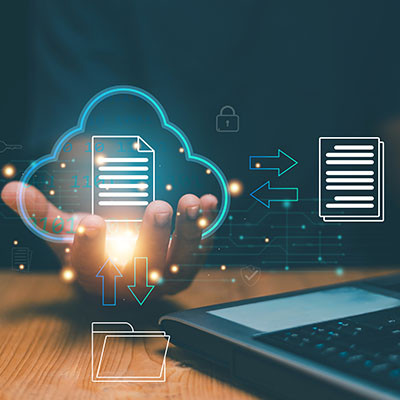
For your business to achieve true business continuity—meaning you can maintain your operations regardless of disasters or issues—a data backup is a critical element of your preparations.
As such, it is critical that your backup is designed to be as comprehensive and reliable as possible.
ZIP files, the affectionate nickname for compressed folders, are quite useful for businesses. However, some employees don’t realize just how useful they can be or the benefits they are foregoing. Let’s discuss what a ZIP file is, how it can contribute to productivity in your office, and how to make one.
Data privacy is no laughing matter, and the more people learn about it, the more seriously they tend to take it. It’s quite common for you to face privacy threats in day-to-day life. Today, we want to look at some of the concerns that everyday users should be aware of with data privacy and what you can do to keep yourself safe.

All businesses need financial management and accounting, whether it’s with a full-fledged team of accountants or a single employee. Small or large, you can bet all businesses can benefit from software that streamlines this process. Today, we’re focusing on Intuit Quickbooks and its many shortcuts which make it an accessible solution for all businesses.

There has been a good deal of controversy about how personal data has been collected, sold, and used over the past few years. Companies of all types package and sell data to create a valuable extra revenue stream for their business, and while this should be thought of as a side effect of all the data that is created by people, it can also create some pretty difficult situations to try and navigate. Today, we’ll take a look at the data-broker loophole, how it works, and what can be done about it.
Get the Knowledge You Need to Make IT Decisions
Technology is constantly evolving, and keeping up can feel overwhelming. Whether you want to understand cybersecurity threats, explore automation, or learn how regulations like PCI DSS impact your business, we’ve made it easy to access clear, straightforward insights on key IT topics.
Learn more about what Cambium Data can do for your business.
Cambium Data
6542 South 118th St Omaha NE 68138
Omaha, Nebraska 68138